
All 50 of our states ought to follow the example of my former home state. I raised my family and worked for 38 years in the great state of Ohio. And I am glad I did.
You see, I was an invited speaker at the 9th Annual OhioReads Literacy Academy, which took place earlier this month. For the first time, an entire day was planned specifically for PARENTS!! “This Ohio Department of Education-sponsored conference was/is FREE to all attendees—truly amazing, as were many of the speakers.” I got to reconnect with folks I worked with, as well as meet new colleagues.
Kareem Weaver, national literacy advocate and co-founder and CEO of the non-profit FULCRUM (Full and Complete Reading is a Universal Mandate), keynoted both days of this conference. He has the ability to “fire folks up” about the importance of education in the lives of our most precious resource, our children.
Look at the Floor Rather than the Ceiling, Follow the Law, Family Engagement in Literacy!
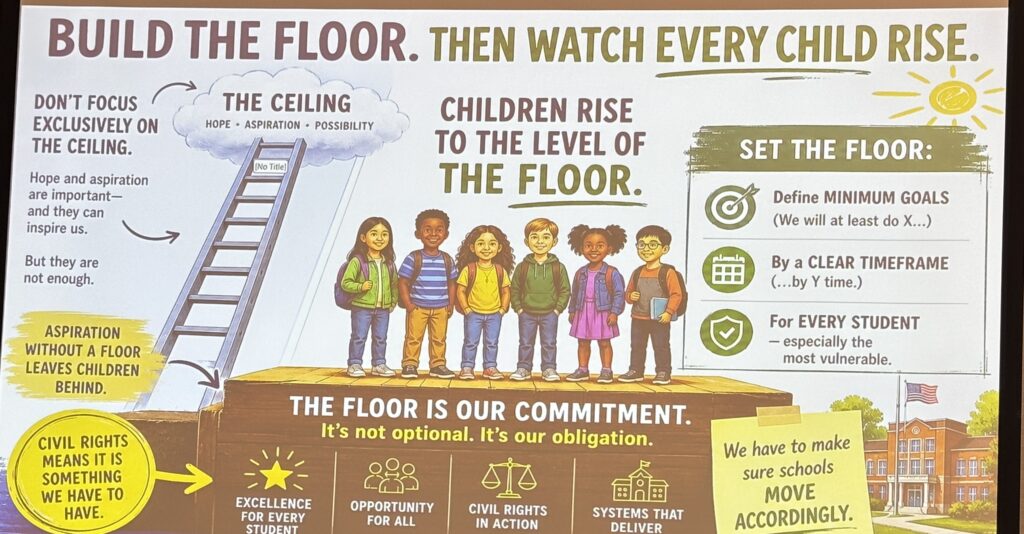
Kareem Weaver cautioned parent participants to “get their heads out of the clouds!” What does he mean?
Well, it’s great to have hope and aspirations for one’s child(ren), but…Weaver views these hopes and aspirations as the ‘ceiling’.
Screenshot by Lori Josephson
Weaver cautioned us to be sure that our children have a sturdy ‘floor’. The ‘floor’ is the “minimum to be put in place which is necessary to attain literacy.” Now, ‘literacy’ is not just reading, but also spelling and written language. Without a sturdy floor, he warned, many of our students are “falling through the cracks” every day. I couldn’t agree more. Furthermore, Weaver noted that “spelling and writing are often given short shrift”—again, I couldn’t agree more.
Weaver went on to emphasize that educators’ perspectives often differ from those of the general population. Most educators found the attainment of literacy to be fairly straightforward, often accomplished fairly easily. On the other hand, a good portion of the general population found (and continues to find) the attainment of literacy challenging. Thus, the disconnect in terms of how some educators approach the teaching of literacy.
When working with school personnel, Weaver spoke of encouraging the use of specific data collection to improve teacher efficacy, or the ability of teachers to achieve the desired results and intended effect (improving literacy!). In order to get to this point, Weaver suggests parents: 1-take notes during meetings, 2-send these notes along to school personnel, along with an old fashioned ‘thank you note’, 3-request appropriate and detailed follow-up (he calls this “detailed advocacy”), 4-ask questions such as ‘when will we review progress’, ‘can we review the data points together’ since data is simply a tool–the reporting about the data is what is most important.
Finally, parents/caregivers are urged to take matters into their own hands when systems (school programming) is not optimal. Weaver encouraged utilizing ‘3 Moves’:
- Read to and with children for a minimum of 10 minutes daily, as well as practicing reading in the environment (grocery stores, street signs, etc.).
- Take note of a single letter pattern you know your child(ren) are working on in school, for example ‘ai’ or ‘ou’–be sure to reinforce that pattern informally while reading, taking care ‘not’ to be the teacher.
- Select 1 vocabulary word to work on inclusive of several repetitions and usages–but keep it light rather than a burden.
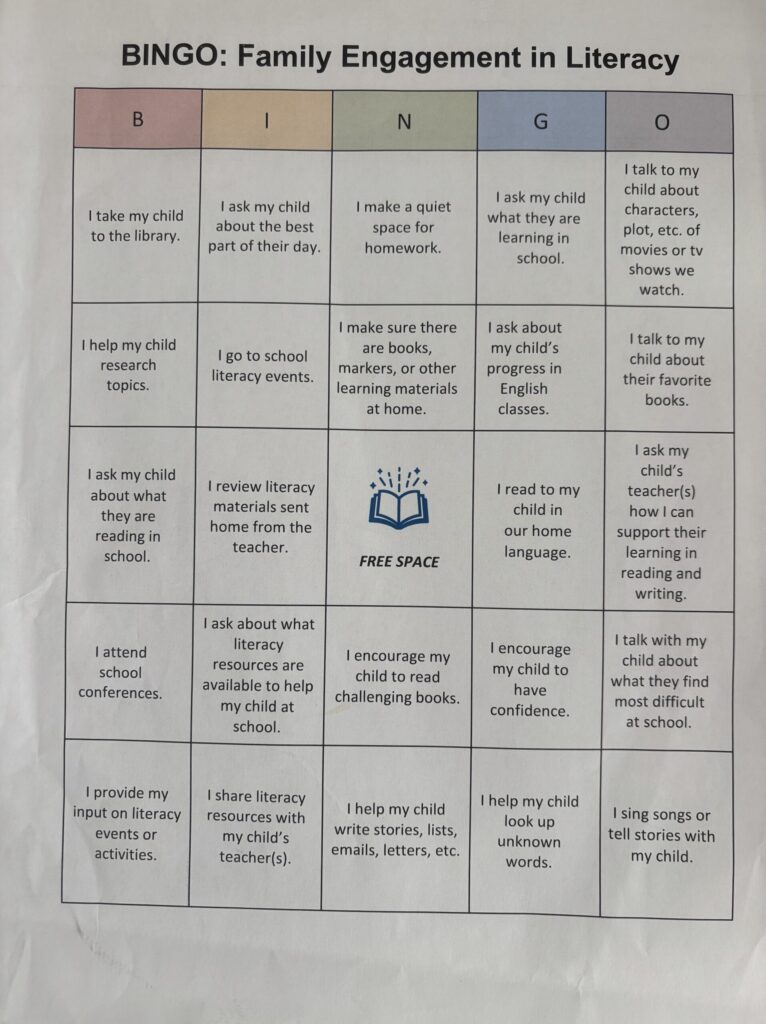
Afternoon sessions included Ohio Statewide Family Engagement Center at The Ohio State University literally engaging participants in hands-on sessions. Ohio’s families are fortunate to have this resource in place. Click here to see what is offered in addition to activities such as ‘BINGO’:Family Engagement in Literacy.
Screenshot by Lori Josephson
State and National Mandates in Need of Improvement
As of this writing, 16 states and the District of Columbia have ‘Third Grade Retention’ legislation in place. If a child does not achieve a minimum score on group administered assessment, the child receives a RIMP (Reading Improvement and Monitoring Plan) and receives intervention. Attorney Kerry Agins cautioned the group that children on RIMPs get intervention and are re-assessed several times—and once the child in question ‘passes’ the assessment, no further intervention is offered. This often results in continued lags and even failure to maintain appropriate levels of literacy as the students march through the grades. Furthermore, parents/families are supposed to be included in RIMP meetings. When Agins asked the entire group if anyone received an invitation to attend their child’s RIMP meeting, not one hand was raised.
Agins urged parents/caregivers to request additional, consistent monitoring because student demands increase and change over time. Again, I couldn’t agree more.
Agins and Founder of Parents for Reading Justice, Brett Tingley, went on to discuss the difference between ‘compliance’ and ‘commitment’. ‘Compliance’ refers to the minimum requirements to follow any Science of Reading Law in terms of training teachers, collecting data (but not analyzing the data effectively), and determining intervention groups, which often are determined by teacher availability rather than student needs. ‘Commitment’ should be the goal. That is, meeting the effort to ensure all children learn to read, incorporating writing instruction, continuously analyzing student data and outcomes, reviewing teacher/educational system internal practices, and implementation results. Agins and Tingley emphasized that student success drives commitment.
Ohio’s Trajectory of Literacy Improvement …Thank you Governor Mike DeWine
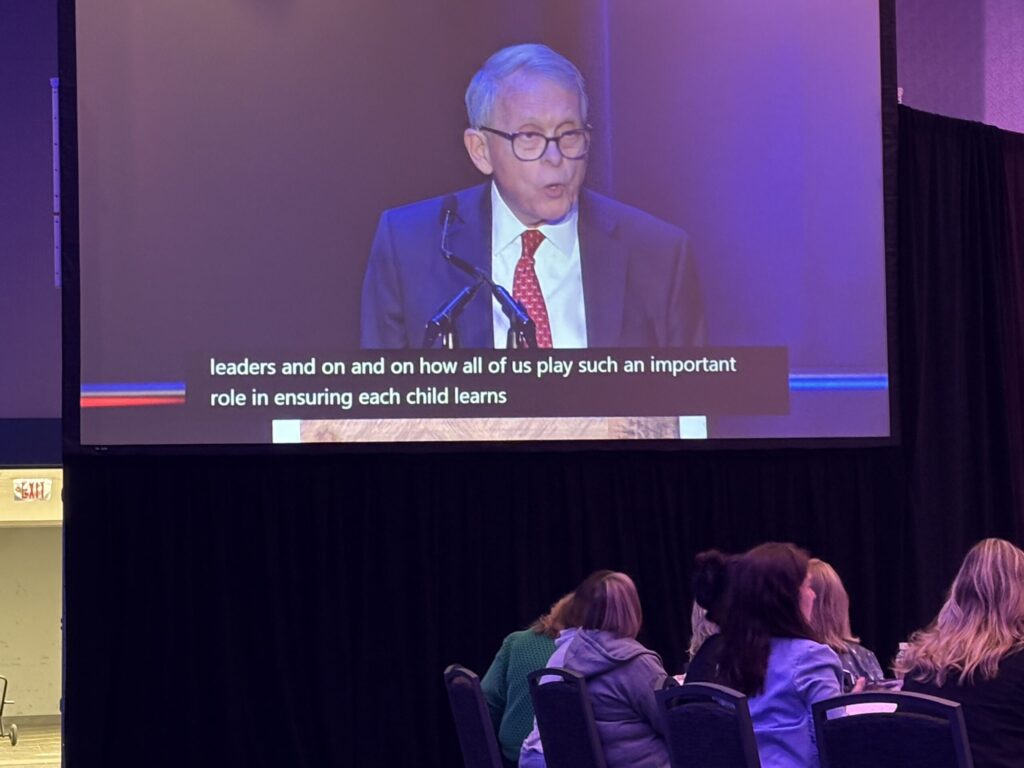
Governor Mike DeWine is a true ‘Champion of the Science of Reading’!
A little background. He is the father of 8, grandfather of 33, and has 3 great grands on the way. Three of his children are educators, two teaching in the Cleveland Public School System. Thus, he is a major stakeholder irrespective of governing the state of Ohio.
Ohio was one of the first states to pass a dyslexia law requiring early screening and provision of early interventions. Ohio provides monies to train teachers, and ongoing coaching for teachers specifically earmarked to implement curricula (yes, there is a list of approved programs) aligned with The Science of Reading.
Governor DeWine’s opening remarks to teachers told his story, as well as highlighting the success of schools implementing improved literacy instruction.
I was able to personally hand Governor DeWine a signed copy of my book, Calling All Neurons! How Reading and Spelling Happen–this was a personal highlight of the conference for sure. I wish I had a picture to share, but alas, I do not, and I hope he reads and shares it with parents/families and educators alike.
Screenshot by Lori Josephson
On the Horizon…a New, Updated National Reading Panel
The first and only National Reading Panel, a federally funded (in 1997) summary of reading research, was released over 25 years ago in 2000. This summary noted the 5 pillars of reading instruction:
- phonological awareness
- phonics
- reading fluency
- vocabulary
- comprehension
Lo and behold, these are pretty much the same tenets aligned with what is known as The Science of Reading.
In February of this year, Representative Rosa DeLauro called for the reinstitution of an updated National Reading Panel as part of a Congressional Appropriations Committee Hearing about The Science of Reading. And as of this week, California Representative John Harder announced that he secured language in federal appropriations legislation to restore the National Reading Panel and jumpstart Science of Reading initiatives. The bill passed on June 18. We will have to wait and see the timeline and monies allocated to a second round of the National Reading Panel.
I cannot help but express my dismay when I read that the Office of Special Education has been transferred to the Department of Health and Human Services from the now dismantled Federal Department of Education. The Council for Exceptional Children has already issued a statement expressing its dismay as well. In a nutshell, “it [this move to HHS] signals a move toward a medical model that views students as patients rather than as learners with strengths, potential, and belonging. Keeping special education alongside all other education programs under ED protects that progress, strengthens inclusion, and upholds a unified K–12 system where every child is part of the school community.” To me, it feels as if the policies concerning students with special needs is moving back in time when students with special needs were often kept from attending school.
Finally, on a brighter note, just this past week, the bipartisan READ Act was introduced to the Senate Health, Education, Labor, and Pensions Committee. This legislation would serve to shift federal funds to support only evidence-based reading instruction in line with current state legislation. In other words, aligned with the tenets of The Science of Reading. The funds would be used to ensure:
- investment in literacy coaches and incentivizing use of high quality instructional materials.
- provision of early literacy screening for dyslexia at least once prior to grade 3 (not early enough IMHO), as well as promotion of early intervention services following screenings
- evaluation of teacher preparation institutions to ensure alignment with SOR (Science of Reading)
- parental notification of students ‘at risk’ for grades K-8 following any literacy screening
Screenshot by Lori Josephson

My Small Contribution to the Cause
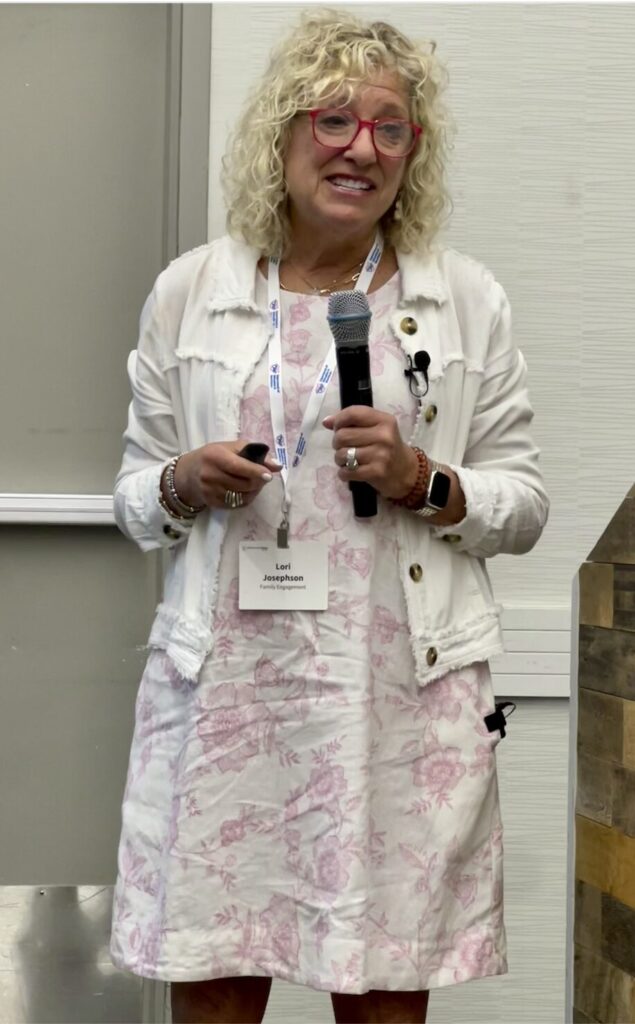
My presentation to the parents, Calling All Neurons! Understanding Brain Science to Support All Readers, Struggling or Not, sought to explain to parents/families how literacy is acquired in easy-to-understand language and user-friendly illustrations. Andrew, a 12-year-old student who struggled to attain literacy was in the audience. He was quite interested in the information, as he was unaware of how his brain learned to read, spell, and write.
As you can imagine, I also encouraged parents/caregivers to ask questions and work as a team with school personnel.
And, I fervently hope that once students and their families/caregivers gain knowledge of what it takes to attain literacy, this knowledge will help to ameliorate the ‘passive learners’ in our schools. Our students, even the youngest ones, need to know that they must actively participate in their own learning. Understanding the brain science can only help our students to self-regulate so that they are in a position to learn what is taught.
Screenshot by Kerry Agins
Final Thoughts
For those of you interested, slides and videos of the Family Engagement Strand of the OhioReads Literacy Summit will be made available. Send me a request in the comments section and I will forward the information to you as soon as it becomes available.
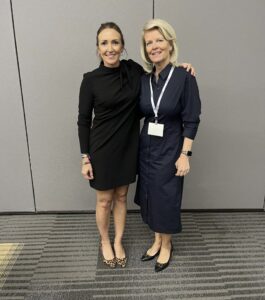
A librarian chose to spend the day with us–and I loved that she did! This gal is totally committed to the children using the public library facility. She told me of the great numbers of middle and high school students who chose to hang out in the library many days per week–she wants to help these students as much as she can. Orchids to this librarian and honestly, all librarians for the work they do to promote literacy in our communities.
It truly DOES ‘take a village’…and it is better when the villagers are educated about what it takes for students to become proficient readers, how to translate ‘reading research’ into ‘reading practice’, and how to recognize when the day to day happenings and overall educational experiences go ‘sideways’ for students and/or educators.
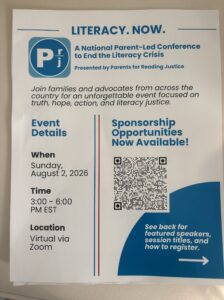
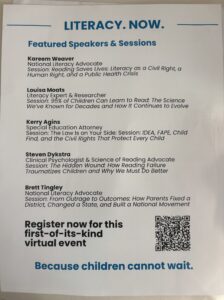
To that end, the Parents for Reading Justice is sponsoring a FREE Virtual National Parent Advocacy Conference on August 2, 3-5pm EST. Don’t wait to register to hear speakers Kareem Weaver, Louisa Moats, Kerry Agins, Steven Dykstra, and Brett Tingley discuss ‘Literacy.Now. Because children cannot wait.’ Register TODAY!
What is happening in your neck of the woods? Readers, feel free to share in the comments. And don’t forget to enjoy your summer!
Screenshots by Lori Josephson
Not one word of this article was written using AI.