
I’ve been pondering the subject matter of this article for a good many days…every time I sit down to write, both my heart and my mind hurt…but keep reading…
Here are the facts I have been reading/hearing about, and sights I am seeing confirming these facts:
- May is Mental Health Awareness Month
- I hate to resurrect the Covid pandemic, but nearly 250,000 children have lost a loved one or caretaker due to Covid, which was only several years ago…children continue to suffer from these losses.
- ‘Covid Babies’ born 2020-2021 were slower to develop oral language skills, who are now today’s entering kindergarteners (my first grandchild is one of these kiddos
- Increased use of screen time both in the home and school environment is tied to increases in socio-emotional problems in all age groups including ‘internalizing problems’ such as anxiety and depression and ‘externalizing problems’ such as aggression and hyperactivity. It appears that many children are turning to increased use of screen time as a coping mechanism. Add sleep deprivation/interruption (linked to socio-emotional problems), gaming, and increased risk taking/addictive behaviors into the mix.
- Today’s children who attended kindergarten later due to Covid are now in the middle elementary grades; both reading and math scores have not rebounded in the past several years despite funding set aside to help students regain achievement lost due to Covid.
- Chronic absenteeism continues to cause disruption and lack of academic achievement, often resulting in chronic absenteeism and increases in adolescent mental health issues
- Continued decline in public school enrollment results in reduction in school funding



How do we begin to deal with these challenges? Is there a relationship amongst these facts? I think so.
Here are my ‘takes’:
Parents of School Age Children–Watch Your Children Carefully and Often–Do Notice:

- your child(ren)’s facial expressions and verbalizations
- how your child(ren) spend down time and the friends your child(ren) wish to hang out with
- your child(ren)’s sleep patterns and appetites
- how often you correspond with teachers regularly; especially watch for changes in grades
- how often you allot time to really talk (bedtime, dinnertime, in the car time)
- how you model resilience and problem solving
- how often you listen to your kids read aloud and read together books about Social Emotional Learning (SEL)
- how often you consider ‘prime time’ to talk!! Simply use that ‘in the car time’ (the kids were ‘hostages’!!) or take your kids out for a meal or for a walk/hike
Photo by ANTONI SHKRABA from Pexels
Parents, I know how busy you are just getting through the week, or even the day, but hopefully, I’ve given you cause to pause. Take a breath, slow down so that you really notice your child(ren)’s behaviors. To make life easier, here are some lists of books for elementary kids and here for older kids recommended to work on SEL at home.
Teachers–Watch Your Students Carefully and Often–Do Notice:
- how each of your students appears to you physically, emotionally, and academically…do they come to school ready to learn what you have to teach?
- how often you conduct a daily and/or weekly ‘check in’ as best as you can (I know you have a lot on your plates, but in the long run, you will get more accomplished)
- how often you watch your students carefully as described above in the Parent Section, and correspond with parents (the good, the bad or the ugly), inclusive of declines in grades and/or completion of in and out of class assignments
- how often you schedule read alouds concerning SEL (see above for lists of recommended books), here is recent article from Edutopia highlighting some approaches to foster SEL
- how you model problem solving
- how you acknowledge the facts concerning the difficulties facing our students, especially if a student reaches out to you
Image by Yan Krukov from Pexels
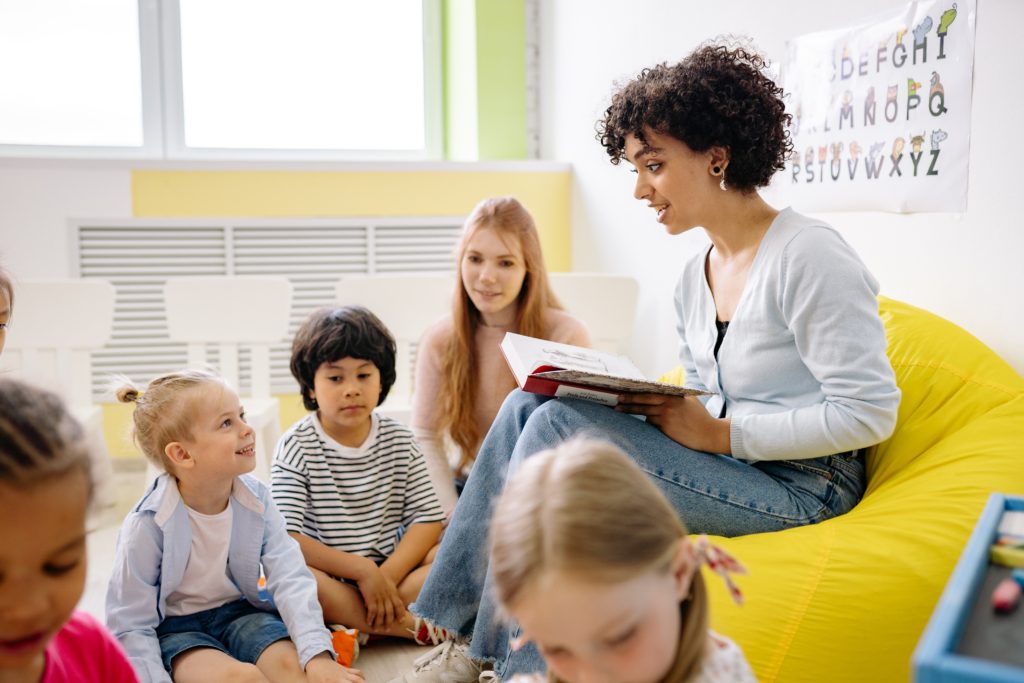
Parents of Children Birth-Age 5

Knowledge is power. Research states there is less conversational ‘turn taking’–take advantage of this knowledge–be mindful to increase your conversation and turn-taking with your young ones, even if they are only cooing, babbling, or speaking in syllables. I often hear my own adult son telling his toddler daughter to “use her words”—great advice even if it is easier to just provide what the toddler wants or needs–-giving toddlers the opportunity to develop good oral language skills trumps whatever little item they might want or need in the heat of the moment. These oral language skills provide the foundation for the development of later literacy skills. And, of course, continue to read books to your young children, including books about feelings–yes, this is SEL (Social Emotional Learning). Here are some recommended SEL books so you don’t have to go searching yourself.
Image by PublicDomainPictures from Pixabay
Advice For All Stakeholders:
- Encourage your school district and yourselves (!) to have a ‘plan’ regarding use of screen time during the school day (and what is expected of screen time usage in the home environment) which is shared with families and caregivers. All stakeholders would benefit from being ‘on the same page’ in terms of: 1- awareness of the number of minutes students are using screens both in school and in the home environment, 2-knowledge of the precise purpose of the screen time activity both in the school and in the home environments, 3-engagement in continued dialog with teachers in terms of their child(ren)’s responses to use of screen time, particularly in terms of obvious ‘addictive behaviors’—this type of dialog would extend to families/caregivers sharing ‘at home possible addictive behaviors’. These days, in fact, many parents are ‘opting out’ of screen time usage in schools on the one hand. On the other hand, many school systems, including the large Los Angeles Public School District recently passed resolutions limiting screen time usage and eliminating it for children in grades K and 1. Others, including McPherson Middle School in Wichita, Kansas, are eliminating tablets such as Chromebooks, favoring returning to old fashioned printed books, pencils, and paper.
- Send children to school–that is, unless they are ill. I well remember sending my own children to school unless they had fever, vomiting or diarrhea. Gone are the days when I would send them if they had a sore throat or cold. Additionally, I cannot tell you how many times I myself went to work (as a teacher, consultant, etc.) with a raging cold/sore throat—I know better now, so I do better! We all need to be mindful of increased self-care, as well as care for others so as not to make others ill. Regular school attendance for all children will hopefully alleviate the current issues of retention and ‘catch up’, thereby providing children the opportunity to achieve to their potential.
- If a family decides to home school or send their children to a private school that is a personal choice, but now we all know declining enrollment translates into less funding for public schools
Finally, let me reiterate the importance of ‘tuning in’ with hyper-vigilance! Don’t assume that ‘everything is ok’ either mentally or physically (or academically for students) either for ourselves as adults or for our younger generation. If you are a parent, share this article with other parents and teachers. If you are a teacher, share this article with parents.
The effects of increased screen time, social isolation, and disrupted developmental routines will likely continue to impact children for years to come in ways we may not yet know. That flag at half-mast remains top of mind as a symbol that we all have to work together to improve outcomes for our children. I’ve attempted to provide you with tools to ensure the physical, mental, and academic wellbeing of our children.

‘Just Do It’–that is my call to action, courtesy of Nike. We owe ourselves and our children this much consideration.
Image by Dominika from Pexels
As Charles Dickens so aptly said:

Let’s help ourselves and our younger generation to experience those strong lights–this is my hope.
Post Script: I do not use AI to write anything appearing in my articles or on my website.